Stress and anxiety are increasingly common in modern life. Ongoing pressure, insufficient rest, and emotional overload can interfere with sleep, digestion, concentration, and overall well-being. Yoga provides a gentle and natural approach to calming the nervous system, releasing built-up tension, and restoring emotional balance. Through mindful movement and controlled breathing, yoga sends signals of safety to the brain, helping stress levels gradually decrease.
Below are fifteen yoga poses widely known for their calming and grounding effects on both the mind and body. These poses may be practiced on their own or combined into a short daily routine to encourage relaxation and inner peace.
1. Sukhasana (Easy Seated Pose)
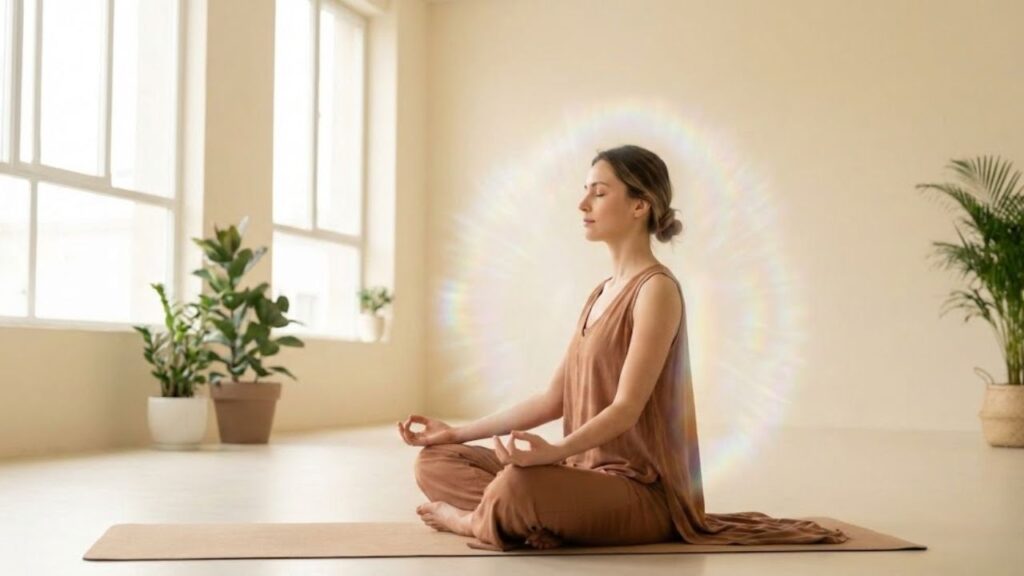
Sukhasana is an excellent starting pose for calming the mind. Sitting comfortably with an upright spine supports slow, steady breathing. When paired with deep breaths, this pose helps reduce mental noise and promotes a sense of grounding.

2. Balasana (Child’s Pose)
Child’s Pose gently soothes the nervous system while releasing tension in the back, shoulders, and hips. The forward fold naturally calms the brain and creates a feeling of safety and rest.
3. Cat Cow Pose (Marjaryasana–Bitilasana)
This gentle spinal flow helps release physical tightness that can contribute to anxiety. Moving with the breath improves circulation and encourages the body to shift out of stress mode.
4. Adho Mukha Svanasana (Downward Facing Dog)
Downward Facing Dog calms the mind by improving circulation and easing stored tension. Practiced slowly, it helps reduce fatigue and regulate breathing patterns.
5. Uttanasana (Standing Forward Fold)
Forward folds have a deeply soothing effect on the nervous system. Uttanasana quiets the mind, reduces anxiety, and relieves tension in the neck and shoulders as the head hangs freely.
6. Viparita Karani (Legs Up the Wall)
This pose is highly effective for stress relief. Elevating the legs helps slow the heart rate, calm the nervous system, and reduce mental fatigue, making it especially beneficial before sleep.
7. Setu Bandhasana (Bridge Pose)
Bridge Pose gently opens the chest and heart area, supporting deeper breathing and emotional release. It helps counteract stress-related posture from prolonged sitting or tension.
8. Paschimottanasana (Seated Forward Bend)
This seated forward fold encourages introspection and relaxation. It calms anxiety, reduces overstimulation, and supports emotional balance.
9. Supta Baddha Konasana (Reclining Bound Angle Pose)
A deeply restorative posture, this pose allows the body to fully relax. Gentle hip opening while reclined helps release emotional tension and promotes deep rest.
10. Viparita Virabhadrasana (Reverse Warrior Pose)
Reverse Warrior stretches the side body and expands breathing capacity. It releases stored stress while maintaining a sense of strength and stability.
11. Garudasana (Eagle Pose)
Eagle Pose enhances focus and balance, helping redirect attention away from anxious thoughts. Gentle compression of the limbs promotes grounding and mental clarity.

12. Janu Sirsasana (Head-to-Knee Pose)
This calming forward bend soothes the nervous system and reduces restlessness. It encourages slower breathing and mental relaxation.
13. Malasana (Yogic Squat)
Malasana helps release tension held in the hips, an area often associated with emotional stress. Holding this pose with steady breathing creates a strong grounding effect.
14. Supine Spinal Twist (Supta Matsyendrasana)
Gentle spinal twists release tension from the back and support digestion. Supine twists are particularly calming and help ease nervous tension.
15. Savasana (Corpse Pose)
Savasana is essential for stress and anxiety relief. It allows the nervous system to fully reset. Guided relaxation or body awareness during this pose enhances its calming benefits.
Why Yoga Helps Reduce Stress and Anxiety
Yoga activates the parasympathetic nervous system, which governs rest and recovery. Slow, mindful breathing lowers cortisol levels and supports emotional regulation. Gentle movement releases physical tension that often holds emotional stress.
With regular practice, yoga improves emotional resilience, sleep quality, and overall mental well-being.
How Often to Practice
For effective stress relief, practicing yoga four to five times per week is recommended. Even brief sessions of 15 to 20 minutes can create noticeable benefits when practiced consistently.
Combining calming poses with breath awareness delivers the best results.
Tips to Enhance Relaxation
Practice in a quiet environment with minimal distractions. Focus on slow, steady breathing and avoid forcing any posture. Using props such as cushions or blankets can increase comfort and relaxation.
Reducing screen time and practicing at the same time each day can further support emotional balance and mental calm.