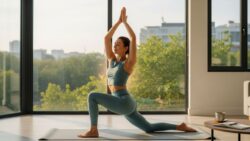
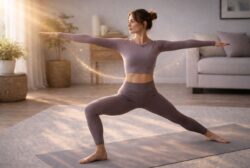
Flexibility plays a vital role in overall health by improving mobility, posture, and reducing the chances of injury. Yoga is one of the most effective and natural ways to build flexibility, and with regular practice, noticeable results can be achieved within just 30 days. Whether you are new to yoga or already experienced, adding a few targeted poses to your daily routine can significantly improve your body’s range of motion. Below are five powerful yoga poses that help increase flexibility when practiced consistently.
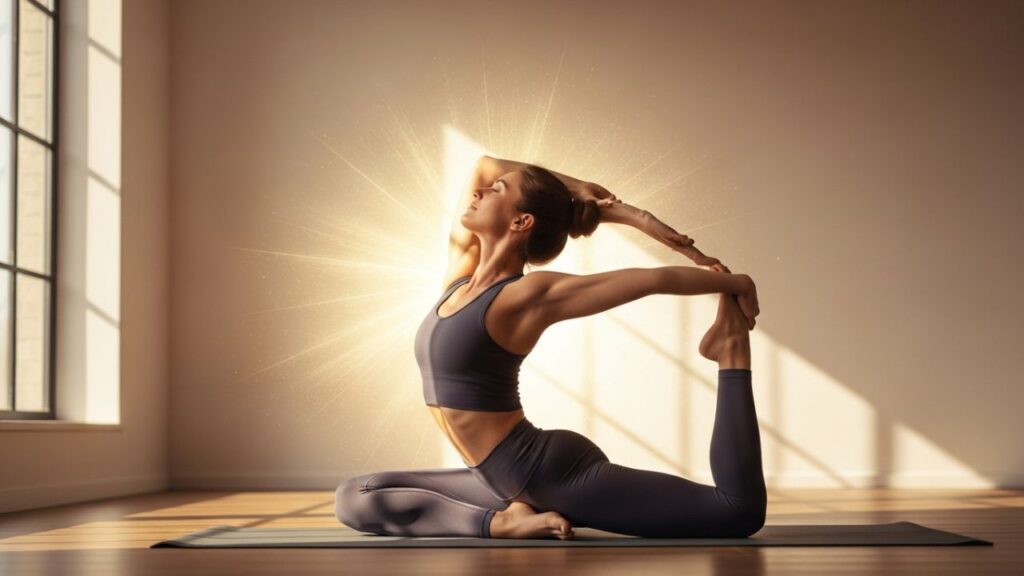
Downward-Facing Dog (Adho Mukha Svanasana)
This foundational yoga pose provides a full-body stretch and is especially effective for improving flexibility in the hamstrings, calves, shoulders, and spine. Begin in a tabletop position with hands under shoulders and knees under hips. Lift your hips upward, straightening your legs as much as comfortable to form an inverted V shape. Keep your heels reaching toward the floor and your spine long. Hold the pose for 30 seconds to one minute while breathing deeply.
Benefits include stretching the hamstrings and calves, strengthening the arms and legs, and improving overall blood circulation.
Forward Fold (Uttanasana)
Forward Fold is an excellent pose for lengthening the hamstrings and releasing tension in the lower back. Stand with your feet hip-width apart and hinge forward from the hips, allowing your upper body to relax toward the floor. Keep a slight bend in the knees if needed to protect the lower back. Hold the pose for 30 seconds to one minute, focusing on lengthening the spine with each breath.
This pose helps stretch the back of the legs, calm the nervous system, and support better posture.
Seated Forward Fold (Paschimottanasana)
This seated pose deeply targets the hamstrings, spine, and shoulders, making it highly effective for improving overall flexibility. Sit on the floor with legs extended straight ahead. Inhale to lengthen the spine, then exhale and fold forward from the hips, reaching for your feet, ankles, or shins. Hold for 30 seconds to one minute, maintaining steady breathing. A yoga strap can be used for support if flexibility is limited.
It helps relieve lower back tension, improves spinal flexibility, and promotes relaxation through controlled breathing.
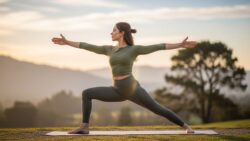
Low Lunge (Anjaneyasana)
Low Lunge is ideal for opening tight hips and stretching the hip flexors, quadriceps, and groin area. Step one foot forward into a lunge and lower the back knee to the floor. Keep your torso upright and hands resting on the front thigh or the mat for balance. Gently press the hips forward to deepen the stretch. Hold for 30 seconds to one minute before switching sides.
This pose improves hip mobility, strengthens the legs, and counters stiffness caused by prolonged sitting.
Bridge Pose (Setu Bandhasana)
Bridge Pose combines flexibility and strength by opening the chest, hips, and spine while engaging the lower body. Lie on your back with knees bent and feet flat on the floor, placed hip-width apart. Press through your feet and lift your hips upward, creating a straight line from shoulders to knees. Hold for 30 seconds to one minute, then gently lower down.
Benefits include improved spinal flexibility, strengthened glutes and hamstrings, and better posture.