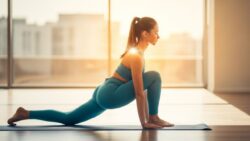
Stress is a common experience in today’s fast-paced world, and managing it effectively is essential for maintaining both mental and physical well-being. One of the most natural and effective ways to reduce stress is through yoga. Yoga combines gentle movement with mindful breathing, helping the body relax and the mind slow down. By practicing calming poses regularly, you can release built-up tension, improve emotional balance, and create a sense of inner peace. Below are seven yoga poses that are especially helpful for relieving stress and calming the mind.
Why Is Yoga Effective for Stress Relief?
Yoga works on both the body and the nervous system to reduce stress. Through deep breathing and slow, controlled movements, yoga activates the parasympathetic nervous system, which helps calm the body’s natural stress response. Holding poses mindfully allows tight muscles to relax while encouraging mental clarity. Many yoga poses focus on areas where stress commonly builds up, such as the neck, shoulders, and lower back, making yoga an excellent practice for long-term stress management.
Child’s Pose (Balasana)
Child’s Pose is a deeply restorative posture that promotes relaxation while gently stretching the lower back, hips, and thighs. It helps quiet the mind and ease tension in the shoulders and neck, which are often affected by stress.
How to Do It:
Start on your hands and knees. Sit back onto your heels, extend your arms forward, and rest your forehead on the mat. Breathe slowly and deeply, allowing your body to soften into the pose. Hold for 1–3 minutes.
Cat-Cow Pose (Marjaryasana-Bitilasana)
Cat-Cow is a gentle flowing sequence that releases tension in the spine and neck while syncing movement with breath. This rhythmic motion helps calm the nervous system and encourages emotional release.
How to Do It:
Begin on your hands and knees with wrists under shoulders and knees under hips. Inhale as you arch your back and lift your chest. Exhale as you round your spine and tuck your chin. Repeat slowly for 5–10 rounds.
Downward Dog (Adho Mukha Svanasana)
Downward Dog is a full-body stretch that lengthens the spine, relieves shoulder tension, and improves circulation. It helps redirect attention inward, easing mental stress and fatigue.
How to Do It:
Start on your hands and knees, then lift your hips toward the ceiling to form an inverted “V” shape. Keep your hands and feet grounded and breathe steadily. Hold for 5–10 breaths.
Standing Forward Bend (Uttanasana)
Standing Forward Bend gently stretches the back, hamstrings, and neck while calming the nervous system. The mild inversion encourages relaxation and can help reduce anxiety.
How to Do It:
Stand with feet hip-width apart and hinge forward from the hips. Let your torso hang toward the floor, keeping knees slightly bent if needed. Relax your neck and hold for 30 seconds to 1 minute.
Legs Up the Wall (Viparita Karani)
This restorative pose allows the body to fully relax while improving circulation and easing tension in the legs and lower back. It is especially effective for calming the mind and reducing stress.
How to Do It:
Sit beside a wall and gently lie on your back, swinging your legs up against the wall. Rest your arms by your sides with palms facing up. Stay for 5–10 minutes, focusing on slow breathing.
Seated Forward Bend (Paschimottanasana)
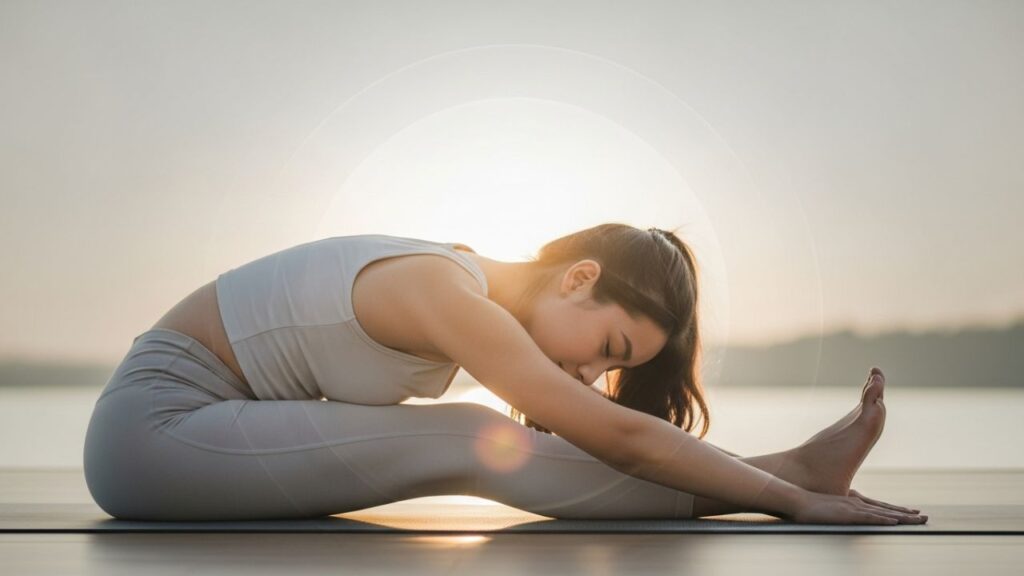
Seated Forward Bend soothes the nervous system while stretching the spine and hamstrings. The forward fold encourages introspection and relaxation, helping release emotional tension.
How to Do It:
Sit with legs extended straight. Inhale to lengthen your spine, then exhale as you fold forward. Reach toward your feet or shins and hold for 30 seconds to 1 minute.
Savasana (Corpse Pose)
Savasana allows the body and mind to completely relax and absorb the benefits of your yoga practice. It is one of the most powerful poses for releasing deep stress and restoring balance.
How to Do It:
Lie on your back with arms relaxed by your sides and palms facing up. Close your eyes and focus on natural breathing. Let your body sink into the floor and rest for 5–10 minutes.
How Often Should You Practice Yoga for Stress Relief?
For best results, practice yoga for stress relief at least 3–4 times per week. Even a short 10-minute daily routine can make a noticeable difference. Consistency is more important than duration, so try to make yoga a regular part of your lifestyle.
Conclusion
Yoga offers a gentle yet powerful way to manage stress and restore inner calm. These seven poses help relax the body, steady the mind, and release built-up tension. By incorporating them into your daily routine, you can cultivate greater peace, balance, and resilience in everyday life.