In today’s fast-paced life, maintaining emotional balance can be challenging. Our minds stay active, emotions fluctuate quickly, and stress often accumulates in the body unnoticed. Yoga provides a gentle and practical way to slow down, reconnect with yourself, and cultivate mindfulness in daily life. You don’t need advanced poses or lengthy sessions—simple yoga practices, done mindfully, can support emotional stability and inner calm over time.
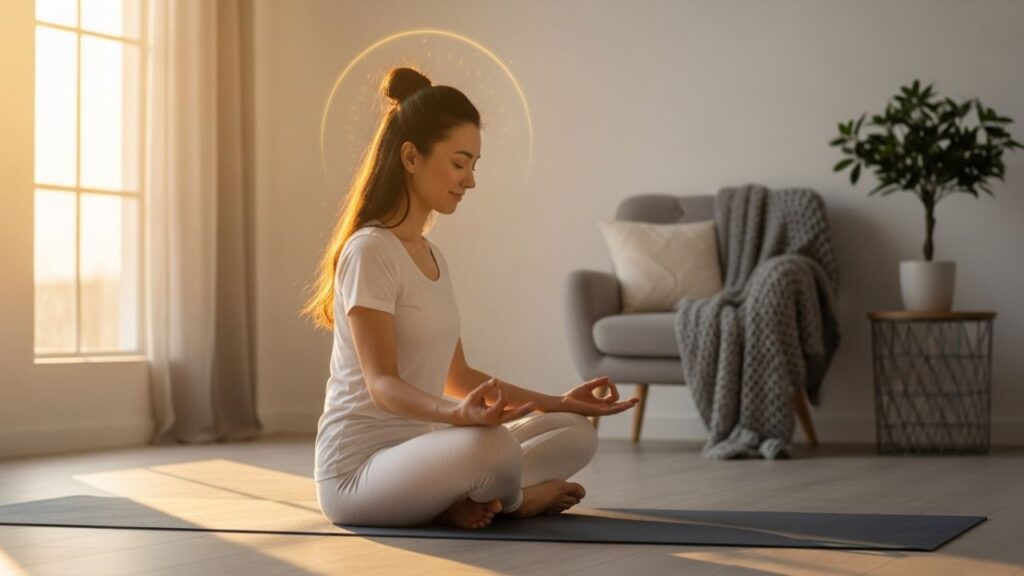
How Yoga Supports Mindfulness and Emotional Balance
Mindfulness is the practice of paying attention to the present moment without judgment. Yoga naturally fosters mindfulness by linking breath, movement, and awareness. Focusing on how your body feels in a pose or observing your breath shifts attention away from worries and emotional overwhelm. Over time, this creates space between thoughts and reactions, allowing you to respond calmly instead of reacting automatically.
Yoga also helps regulate the nervous system. Slow movements and steady breathing activate the parasympathetic response, signaling safety and relaxation to the body. This is particularly beneficial for managing anxiety, mood swings, and emotional fatigue.
Simple Yoga Poses for Emotional Balance
You don’t need complex sequences to experience the benefits. These beginner-friendly poses help calm the mind and balance emotions.
Child’s Pose
Child’s Pose is grounding and comforting. Kneel on the mat and fold forward, allowing the body to relax while the breath naturally slows. Rest your forehead on the mat or a cushion to create a sense of emotional safety. Stay in this pose for several breaths, noticing the rise and fall of your back.
Seated Forward Bend
This pose encourages introspection and quiet awareness. Sit tall and fold forward gently, stretching the spine and hamstrings while calming the nervous system. Focus on slow breathing and let your thoughts settle without forcing them away.
Cat Cow Pose
Slowly moving between Cat and Cow Pose releases tension in the spine and shoulders. The rhythmic motion paired with breath promotes emotional release and mental clarity. Inhale as you open the chest, exhale as you round the spine, staying mindful of each movement.

Legs Up the Wall
This restorative pose is ideal for an emotional reset. Lie on your back with your legs supported against a wall to improve circulation and reduce stress. Close your eyes and allow your breath to flow naturally. This pose is especially helpful after a long or emotionally draining day.
Easy Seated Pose with Breath Awareness
Sit comfortably with a straight spine, placing your hands on your knees or heart. Focus on slow, deep breathing, noticing how the breath enters and leaves your body. This simple practice strengthens mindfulness and emotional awareness without physical strain.
The Role of Breath in Emotional Regulation
Breath is a powerful tool for emotional balance. Shallow breathing often accompanies stress and anxiety. Yoga encourages slow, deep breathing to calm the mind. Practices like equal breathing, where you inhale and exhale for the same count, create stability and control. Even a few minutes of mindful breathing can positively shift your emotional state.
Creating a Mindful Yoga Routine at Home
Consistency is more important than duration. A short daily practice of ten to fifteen minutes is sufficient. Choose a quiet space, wear comfortable clothing, and remove distractions. Begin with gentle stretches, move into calming poses, and finish with a few minutes of stillness or breath awareness. Over time, this routine becomes a supportive habit for emotional balance.
Listening to Your Emotions Through Yoga
Yoga is not about forcing calm. Some days, emotions may arise during practice, and that is normal. Observe your feelings without judgment. This awareness itself is a form of emotional healing. With regular practice, you develop a gentler relationship with your emotions and learn to accept them without feeling overwhelmed.
Long Term Benefits of Mindful Yoga Practice
Practicing yoga for mindfulness and emotional balance builds resilience. You may notice improved focus, better sleep, and a greater sense of inner peace. Emotional reactions become less intense, and stressful situations feel more manageable. Over time, yoga supports not only mental health but overall well-being.