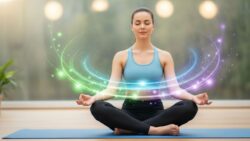
The Power of Combining Yoga & Meditation for a Peaceful Life Modern life brings constant stress & endless distractions that leave many people feeling overwhelmed. Finding moments of calm has become increasingly difficult as our days fill with responsibilities and digital noise. People everywhere are searching for practical ways to restore balance and discover inner peace. Yoga and meditation have existed for thousands of years as separate practices. Each offers unique benefits on its own. However something remarkable happens when you bring them together. The combination creates a synergy that amplifies the positive effects on both mind & body. Yoga prepares the body through physical movement and controlled breathing. It releases tension from muscles and increases flexibility while building strength. The practice teaches awareness of how the body moves & feels. This physical foundation creates an ideal state for meditation. Meditation works primarily with the mind. It trains attention and develops the ability to observe thoughts without getting caught up in them. Regular meditation reduces mental chatter and brings clarity to daily life. The practice helps people respond to challenges with greater calm & wisdom. When you practice yoga before meditation the body becomes relaxed & the mind naturally settles.
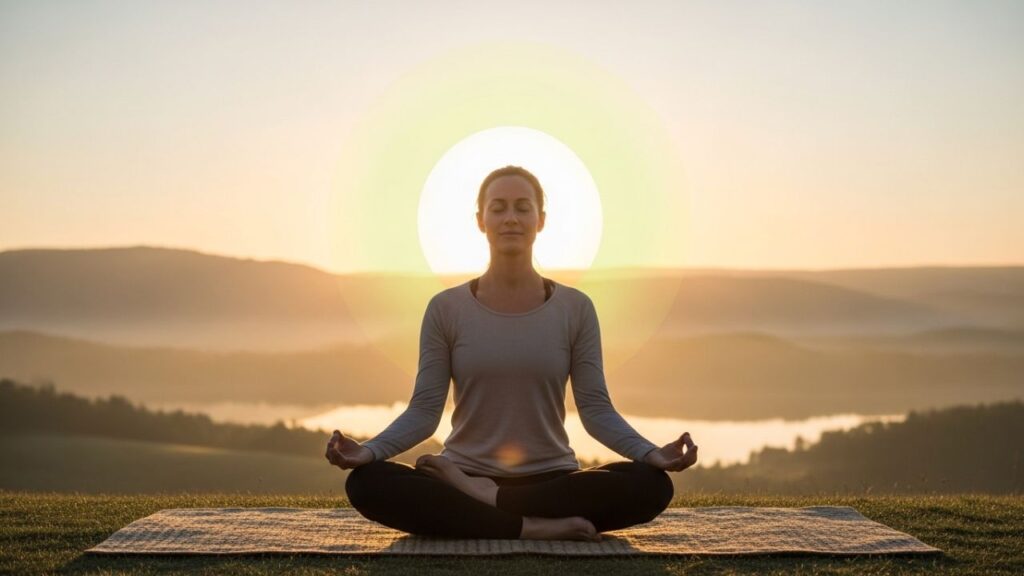
Why Yoga and Meditation Work Well Together
Yoga and meditation have been practiced for thousands of years, both originating from Eastern philosophies. While yoga focuses on the body, meditation primarily engages the mind. When practiced together, they create a harmonious balance that nurtures both the body and the mind, leading to a greater sense of peace and tranquility. Yoga encourages flexibility, strength, and breath control, while meditation helps to clear the mind, reduce stress, and promote emotional well-being. By uniting these two practices, individuals can address both physical and mental health, creating a holistic approach to wellness.
The Physical Benefits of Yoga and Meditation Combined
Yoga is well-known for its physical benefits, such as improving flexibility, building strength, and enhancing balance. Asanas (yoga poses) promote the circulation of energy throughout the body, helping to release tension and reduce physical discomfort. The act of stretching and strengthening the muscles can alleviate stress held in the body, allowing for greater mobility and comfort.

Meditation, on the other hand, focuses on calming the mind and promoting relaxation. By practicing mindfulness meditation, individuals can lower their heart rate, reduce blood pressure, and release the physical tension that often accompanies stress. Together, yoga and meditation support each other in providing physical and mental relief, fostering a more peaceful existence.
How Meditation Enhances Yoga Practice
Meditation plays a vital role in deepening a yoga practice. While yoga brings awareness to the body, meditation brings awareness to the mind. This mental clarity allows for better focus, concentration, and mindfulness during yoga practice. When meditation techniques like breath awareness or visualization are incorporated into a yoga session, they help anchor the practitioner in the present moment, reducing the likelihood of distraction.
Additionally, meditation after a yoga session enhances the relaxation process. Following the physical exertion of yoga, meditation allows the body to release any lingering tension, helping the individual experience a profound sense of relaxation and peace.
How Yoga Enhances Meditation Practice
Just as meditation supports yoga practice, yoga also enhances meditation. The physical movements in yoga prepare the body for stillness by releasing pent-up energy and promoting relaxation. When the body feels relaxed and comfortable, it is easier to sit in meditation without physical discomfort distracting the mind.
Furthermore, the breathing techniques taught in yoga, such as pranayama (controlled breathing), are highly effective in meditation. Deep, controlled breaths help calm the nervous system, allowing the individual to enter a meditative state more easily. By combining yoga with meditation, the practitioner can achieve deeper mental focus and a stronger connection to their inner self.

Practical Tips for Incorporating Yoga and Meditation into Daily Life
– Start Slow: Begin by incorporating short yoga sessions followed by a few minutes of meditation. Gradually increase the duration as you become more comfortable.
– Set an Intention: Before starting, set an intention for your practice. Whether it’s to find inner peace, improve flexibility, or manage stress, having a clear intention can guide your practice.
– Focus on Breath: Both yoga and meditation rely on conscious breathing. Pay attention to your breath during both practices to enhance relaxation and mindfulness.
– Create a Calm Space: Set aside a quiet, peaceful space for your practice. This can help you focus and maintain a sense of calm throughout your session.
– Consistency is Key: Try to practice yoga and meditation regularly, even if it’s just for a few minutes each day. Consistency helps build the foundation for long-term peace and balance.