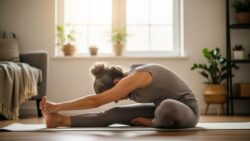
Yoga goes beyond simple physical exercise as it represents a complete method for bringing harmony to your body, mind & spirit. The connection between breathing and movement stands out as one of the most important aspects that makes yoga work so well. When you combine these two elements together they create a natural rhythm that boosts your energy flow while sharpening your mental focus & helping you relax. This article examines how specific breathing methods can improve your yoga movements and change the way you practice.
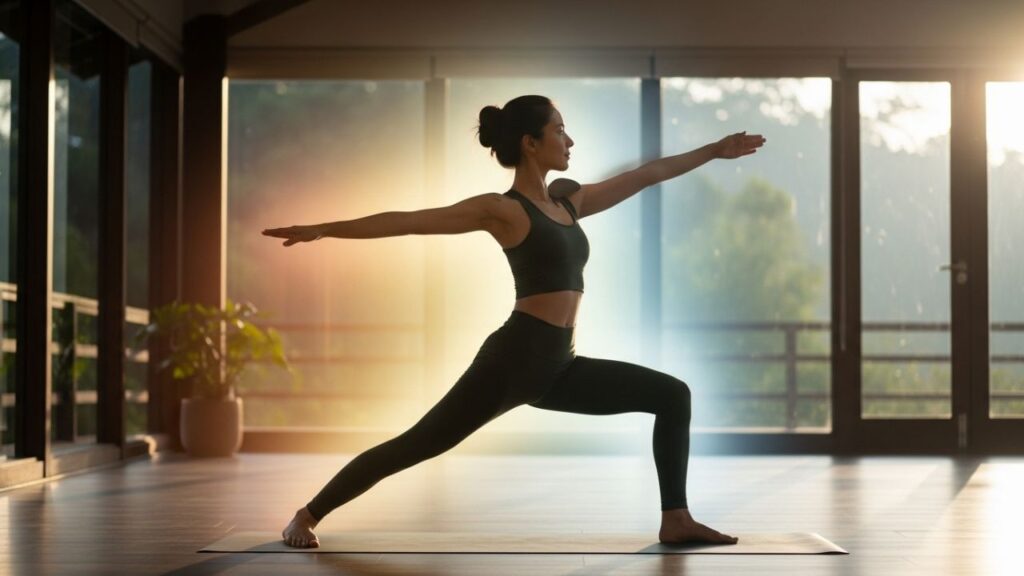
The Role of Conscious Breathing in Deepening Yoga Practice
Breathing forms the foundation of every yoga practice. It goes beyond simply taking deep breaths in and out. The real focus is on matching your breath with your movements. In yoga this breathing practice is called pranayama and it affects both your body & mind. Your breath connects the physical poses you do with the mental concentration you need during practice. When you take a full deep breath you deliver fresh oxygen throughout your body which energizes your cells & organs. Breathing out helps your body release toxins on both a physical and emotional level. Keeping your breath steady and controlled activates your parasympathetic nervous system. This system helps your body relax and lowers your stress levels.
How Breath Synchronization Shapes Strength, Balance, and Mental Focus
The connection between breathing and movement in yoga has a scientific foundation. During physical activity your muscles need oxygen to function properly. When your breathing becomes shallow or uneven your muscles might not get enough oxygen which can lead to muscle tension & tiredness. Controlling your breath correctly keeps your body both relaxed & energized while holding different poses. Breathing in sync with your movements also supports better balance and proper body positioning. When you take deeper breaths your body feels more stable and focused which makes transitions between poses smoother. This consistent rhythm creates a calm and flowing practice on your yoga mat.
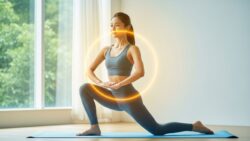
Core Pranayama Methods That Guide Breath-Driven Yoga
Breathing Techniques in Yoga Yoga includes many different breathing techniques that work for various styles & personal needs. Here are some of the most common methods that people practice regularly.
Ujjayi Pranayama: Building Heat, Control, and Inner Awareness
Ujjayi breath appears frequently in Vinyasa and Ashtanga yoga practices. The technique requires you to gently tighten the back of your throat while breathing. This creates a quiet sound that resembles ocean waves rolling onto shore. The breathing method helps you maintain a consistent and even flow of air throughout your practice. It also produces warmth inside your body which encourages sweating and helps remove toxins from your system.
Nadi Shodhana: Restoring Nervous System Balance Through Rhythmic Breathing
Nadi Shodhana is a breathing exercise that helps you relax by using one nostril at a time. You breathe in through one nostril while keeping the other one closed with your finger and then switch sides. This practice helps balance your body’s energy and makes you feel less stressed while improving your ability to concentrate. Many people use this technique when they meditate or at the end of their yoga session when they are winding down.
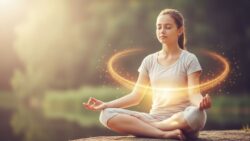
Kapalabhati Technique: Energizing the Body Through Active Exhalation
Kapalabhati is a breathwork technique that boosts your energy levels. You breathe out quickly and forcefully through your nose and then let the air come back in naturally without effort. This method clears your thoughts & gets your digestive system working better while helping your body remove toxins. People usually do this practice in the morning or when they want a more active yoga session.
Brahmari Practice: Calming the Mind With Resonant Breath Sounds
Brahmari breathing creates a humming sound when you breathe out. This sound helps your mind settle down & your body relax. The technique works well for lowering stress and easing worried thoughts. It also releases mental pressure that builds up during the day. Many people find it useful after finishing a tough yoga session when they need to calm their system and return to a peaceful state.
Practical Ways to Coordinate Breath With Yoga Postures
To get the most from breathing during yoga you need to link each breath with how you move. Here is a guide for combining breath and movement. Start with Awareness: Sit in a comfortable position and focus on your breathing. Take several deep breaths to become present in the moment. Inhale to Lengthen: When you enter each pose begin with a long inhale to extend your spine or reach into the position. In Downward-Facing Dog you should inhale while extending your arms and legs completely. Exhale to Release: Your exhale helps you go deeper into the pose or let go of tension. During poses like Forward Fold you exhale while hinging at your hips and lowering your upper body toward the floor. Maintain Steady Rhythm: During your practice try to keep a steady rhythmic breath. Avoid rushing your breath and allow it to flow naturally as you move. Use Breath to Move Between Poses: In Vinyasa flow each transition between poses should happen with either an inhale or exhale. Your breath guides the movement and keeps the practice flowing smoothly.
Physical, Mental, and Emotional Gains From Breath-Centered Yoga
When you pay attention to your breathing you develop a meditative state that makes your mind sharper. This awareness helps you concentrate better on what is happening right now. Breathing in a controlled way activates your parasympathetic nervous system which lowers stress and makes you feel calmer. When you match your breathing with your movements your muscles get more oxygen which builds your stamina and endurance. This lets you maintain poses for longer periods with greater strength. Breathing correctly helps your muscles loosen up which makes it simpler to go deeper into stretches and become more flexible as time goes on. Working with your breath can help you let go of emotional tension that gets stored in your body. This creates a feeling of emotional renewal & improves your overall sense of wellness.