Daily Yoga Benefits: What Really Happens When You Practice Every Day Daily yoga goes beyond simple stretching. It’s a small habit that steadily improves your body and mind through regular practice. The key is showing up consistently. Just 10 to 20 minutes each day can shift how you move and handle stress and navigate your schedule. Yoga adapts to your life because you control the intensity. Some sessions might focus on gentle movement and breathing while others push your strength and endurance. Here are 10 concrete benefits of practicing yoga daily & how to make it work without overcomplicating things.
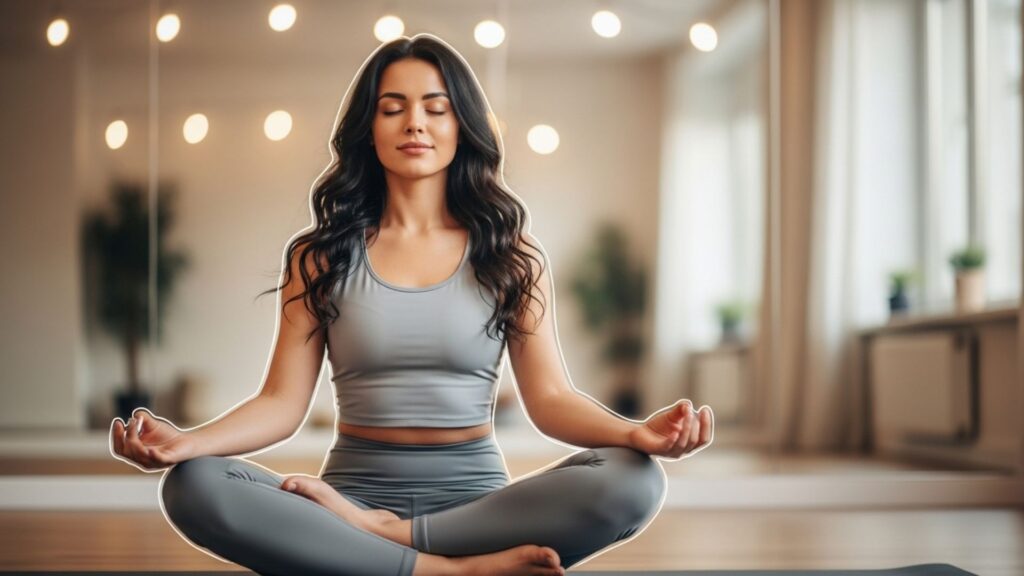
Better flexibility without forcing your body
Daily yoga helps improve flexibility by slowly and safely increasing your range of motion. The key idea is gentleness. When you move into poses regularly and hold them with control, your muscles and connective tissues adapt over time. Gradually, everyday movements feel easier—touching your toes takes less effort, hips feel less tight when sitting, and shoulders feel freer after long screen hours. You do not need extreme or advanced poses to see results. Simple forward folds, gentle hip openers, and light twists practiced daily act like maintenance work for stiff and overworked areas of the body.
Stronger muscles and more stable joints
Yoga builds strength in a balanced way that protects your joints. Poses such as planks, chair pose, warrior variations, downward dog, and boat pose strengthen the legs, core, glutes, and upper body without heavy weights. Over time, this improves joint stability, especially in the knees, hips, shoulders, and ankles. Daily yoga also trains your body to use muscles together efficiently. This kind of functional strength supports daily actions like walking, climbing stairs, carrying groceries, and lifting objects with better control and less strain.

Improved posture for modern desk life
Long hours of sitting often lead to rounded shoulders, a tight chest, weak upper back muscles, and a disengaged core. Daily yoga helps reverse these patterns. Back-opening poses such as cobra, locust, bridge, and cat-cow activate the spine and open the front of the body. Just as important, yoga builds posture awareness. You start noticing how you sit and stand throughout the day and naturally adjust your alignment. Better posture can also reduce neck stiffness, shoulder tension, and tension-related headaches for many people.
Lower stress and a calmer nervous system
One of yoga’s biggest benefits is stress reduction. Daily practice helps calm the nervous system and shift it out of constant fight-or-flight mode. Slow movements combined with deep breathing send signals of safety to the body. This often leads to fewer stress spikes, reduced irritability, and better emotional balance. Even a short session can help on a busy day. Simple poses like child’s pose with long exhales or legs-up-the-wall can quickly create a sense of calm and mental reset.
Better breathing habits and higher energy
Many people develop shallow breathing patterns due to stress or prolonged focus. Yoga retrains the breath to become deeper and more efficient. Techniques such as diaphragmatic breathing and gentle pranayama increase awareness of how breathing affects energy and mood. As breathing improves, overall energy often improves as well. You may feel less drained, move more easily, and recover faster from physical effort. Better breathing also helps reduce the habit of holding your breath during daily tasks.
More mobility and less everyday stiffness
Flexibility focuses on muscle length, while mobility focuses on controlled movement. Daily yoga improves both. This is why people often feel looser and more comfortable in everyday activities. The hips move more freely, the spine rotates with ease, ankles feel more mobile, and shoulders move smoothly instead of feeling tight or compressed. These improvements make daily tasks like tying shoes, getting out of a car, lifting bags, or playing with children easier and more comfortable.
Improved balance and coordination
Balance is important at every age. It helps protect you from falls, sudden slips, and uneven ground. Yoga improves balance through poses like tree, eagle, and warrior III, along with steady core engagement. With regular practice, your proprioception improves—your body becomes better at sensing its position in space. This can reduce ankle injuries, improve sports performance, and increase confidence in everyday movement and stability.

Better sleep quality and a smoother bedtime routine
Daily yoga can support better sleep by calming the nervous system, releasing muscle tension, and creating a consistent evening routine. Gentle nighttime yoga is especially helpful. Slow forward folds, reclined twists, butterfly pose, and relaxed breathing prepare the body for rest. The goal is not intensity but relaxation. Many people also sleep better because yoga reduces physical discomfort in areas like the back, neck, and hips that can interrupt rest during the night.
A healthier relationship with food and cravings
Yoga is not a diet, but it can positively influence eating habits. Regular practice reduces stress and increases body awareness, which often leads to fewer emotional eating episodes. You become more aware of hunger signals, fullness, and cravings. This awareness encourages more mindful food choices without strict rules. For those aiming to maintain or balance weight, yoga combined with walking and balanced meals often feels more sustainable than extreme fitness routines.
Sharper focus and better mood in daily life
Yoga improves mental clarity by linking movement, breath, and attention. Over time, this connection supports better focus, reduced mental clutter, and improved patience. While meditation can be challenging for some people, yoga offers an active form of mindfulness that feels more approachable. Even a brief daily session can create a calmer emotional baseline, helping you respond to daily challenges with more balance and clarity.
How to start daily yoga without quitting after a week
The most important rule is to keep it realistic. Start with just 10 minutes a day. Choose a simple sequence you can repeat so you do not spend time searching for routines. Focus on consistency rather than intensity. A beginner-friendly daily flow could include cat-cow, downward dog, low lunge, warrior II, forward fold, bridge pose, a seated twist, and one to two minutes of deep breathing. Always respect your body—sharp pain is a sign to modify or stop.
Quick daily plan you can actually follow
A simple weekly rhythm can help you stay consistent. Try three days of strength-focused yoga with poses like planks, warriors, and chair pose. Add two days focused on mobility and stretching for hips, hamstrings, and spine. Finish the week with two recovery-focused sessions using slow holds and breathwork. This approach supports progress without burnout. If you miss a day, do not wait for a fresh start—just do five minutes today and keep going.