Yoga goes beyond physical exercise as it offers a complete approach to harmonizing body, mind, & spirit. The relationship between breath and movement stands out as one of yoga’s most significant elements. Natural breathing that aligns with each pose establishes a consistent pattern that enhances energy circulation, promotes mental focus and facilitates profound relaxation. Learning how breathing methods complement movement can turn a regular yoga session into a more conscious and beneficial experience.
Why Breathing Matters in Yoga
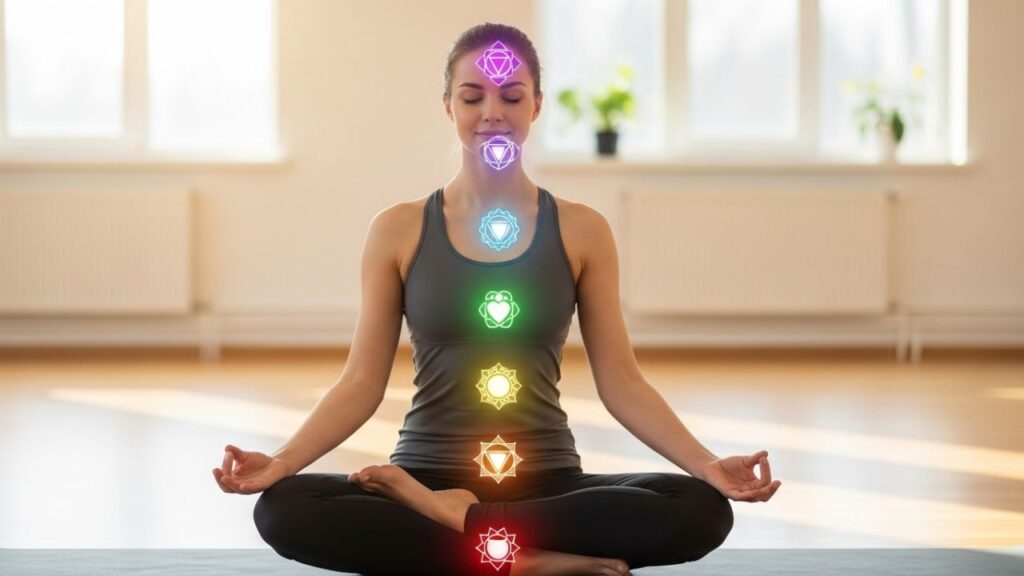
Breathing sits at the heart of every yoga practice. It is not only about taking deep breaths, but about syncing each inhale and exhale with movement. This mindful breathing, known as pranayama, connects physical postures with mental awareness. When breath and movement work together, the body feels more controlled and the mind becomes calmer.
A deep inhale supplies fresh oxygen to the body, supporting energy and alertness. A slow exhale helps release physical tension and emotional stress. By keeping the breath steady, the nervous system shifts into a relaxed state, reducing stress and promoting inner balance.
The Science Behind Breath and Movement
The connection between breathing & physical movement has solid scientific backing. Your muscles need oxygen to work properly. When you breathe in a shallow or uneven way your body becomes tired and your muscles get stiff. Breathing with control keeps your energy up & helps your body stay loose. Good breathing also boosts blood flow and makes your muscles work better during yoga poses. When you match your breathing to how you move your balance gets better & your body alignment improves.
Deep breaths make you feel more connected to the ground and more stable. This link between breath and movement helps you shift from one pose to another without effort. The result is a smooth practice that feels almost like meditation while you work through your routine on the mat.
Common Breathing Techniques Used in Yoga
Yoga includes several breathing techniques, each serving a different purpose. These methods support relaxation, focus, or energy depending on how they are practiced.
Ujjayi Breath is commonly used in flowing yoga styles. It involves gentle throat control to create a soft, wave-like sound. This breath builds internal heat and keeps breathing steady during movement.
Nadi Shodhana, or alternate nostril breathing, is a calming practice. It balances energy, reduces stress, and improves focus, making it ideal for meditation or relaxation.
Kapalabhati is an energizing technique using short, forceful exhales. It helps clear the mind, stimulate digestion, and awaken the body.
Brahmari, also known as bee breath, uses a gentle humming sound during exhalation. It soothes the nervous system and helps release mental tension.
How to Connect Breath With Yoga Movements
To gain the full benefit of yoga, breath must guide every movement. Begin by becoming aware of natural breathing before starting the practice. This awareness sets the foundation for mindful movement.
Inhale as you lengthen or lift the body, creating space in the spine. Exhale as you fold, twist, or relax deeper into a posture. Maintaining a steady breathing rhythm helps the body stay calm and focused throughout the session.
During flowing sequences, allow each transition to follow an inhale or exhale. When breath leads movement, the practice feels smoother and more controlled.
Benefits of a Breath-Focused Yoga Practice
A breath-centered practice improves focus and mental clarity by encouraging mindfulness. It also reduces stress and anxiety by calming the nervous system. Physically, proper breathing enhances stamina, strength, and flexibility by allowing muscles to relax and receive enough oxygen.
Breathwork also supports emotional release. By breathing deeply and consciously, stored tension can gradually dissolve, leaving the body and mind feeling lighter and more balanced.