Yoga goes beyond simple stretching and physical exercise because it works to unite your body with your mind & spirit. Breathwork stands out as one of the most powerful elements of yoga practice. The Sanskrit term pranayama describes this breathing practice and translates to “control of life force.” Your breathing pattern directly affects your health and wellness. In yoga the breath serves as a connection point between physical sensations & mental states. Learning proper breathwork techniques can transform your yoga sessions & improve your overall health. This article examines the relationship between yogic breathing & wellness while introducing various breathing methods that can help you access these benefits.
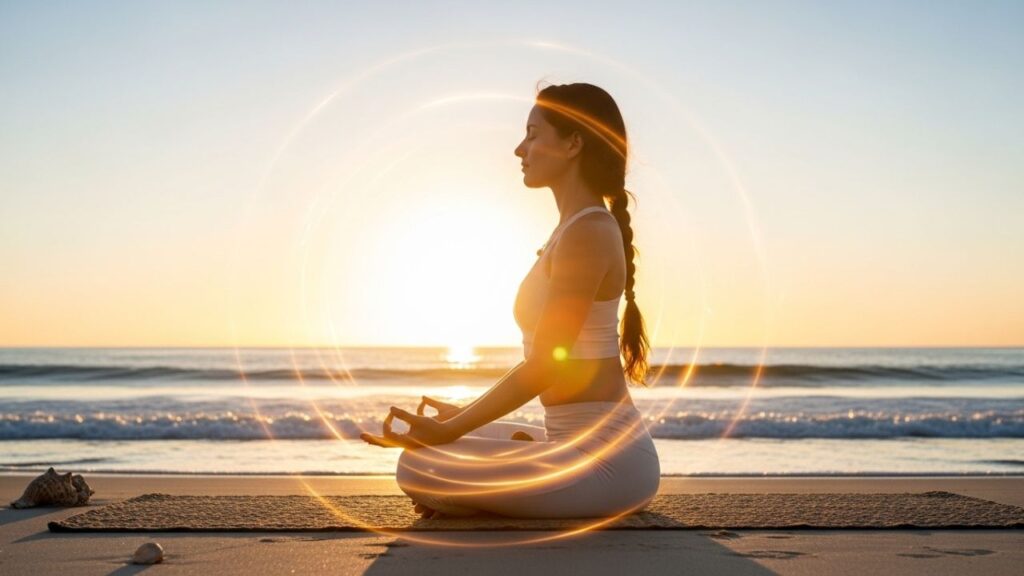
Why Conscious Breathing Is the Foundation of Every Yoga Practice
Breathing keeps us alive but most people rarely think about it. Yoga views breath as an important energy source that connects physical movement with mental clarity. Mindful breathing triggers the parasympathetic nervous system & helps your body calm down and manage stress better. Breathing properly can also balance your emotions and sharpen your concentration while boosting how well your body performs. Rather than just being something automatic that keeps you going breath becomes a practical tool for handling the demands and pressures of modern life.
Essential Breath-Led Techniques That Nurture Physical, Mental, and Emotional Balance
Ujjayi Breath (Victorious Breath)
Ujjayi Breath is among the most widely practiced breathing techniques in yoga, particularly within Vinyasa and Ashtanga styles. It is performed by gently narrowing the back of the throat, creating a smooth, wave-like sound as you inhale and exhale through the nose. This controlled breathing encourages slow, deep breaths and helps maintain concentration throughout the practice. Ujjayi Breath also builds internal heat, supporting detoxification while enhancing flexibility and stamina.
Nadi Shodhana (Alternate Nostril Breathing)
Nadi Shodhana is a soothing and cleansing breathing technique that involves alternating the flow of breath through each nostril by closing one nostril at a time with the fingers. This practice helps balance the left and right sides of the brain, sharpens focus, and promotes mental clarity. It is especially effective for calming the nervous system, reducing stress, and easing anxiety, making it ideal for relaxation and meditation.
Kapalbhati (Skull Shining Breath)
Kapalbhati is a stimulating and energizing pranayama technique characterized by rapid, forceful exhalations through the nose, followed by natural, passive inhalations. This practice helps cleanse the respiratory passages, activate the digestive system, and refresh the mind. Kapalbhati is often used to detoxify the body and boost energy levels, making it a powerful way to begin a yoga session.
Bhramari (Bee Breath)
Bhramari Breath involves producing a gentle humming sound during exhalation, similar to the buzzing of a bee. This technique has a deeply calming effect on the mind and is known to relieve stress, anxiety, and mental tension. The vibrations created by the humming stimulate the parasympathetic nervous system, encouraging relaxation. Bhramari is particularly helpful for soothing headaches and preparing the mind for meditation.
Dirgha Pranayama (Three-Part Breath)
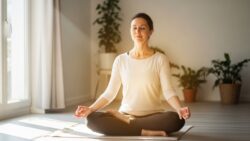
Dirgha Pranayama, also known as the Three-Part Breath, focuses on deep breathing into the abdomen, rib cage, and chest in a smooth, sequential manner. This technique expands lung capacity and enhances oxygen circulation throughout the body. It promotes relaxation, reduces stress, and supports overall well-being. Dirgha Pranayama is especially suitable for beginners and for anyone seeking to develop greater breath awareness and release physical tension.
The Role of Breath Awareness in Deepening Yoga Practice and Overall Well-Being
– Reduces Stress: Practicing slow, mindful breathing activates the parasympathetic nervous system, helping the body relax and significantly lowering stress levels.
– Improves Focus: Conscious breathing during yoga enhances mental sharpness and concentration. The breath acts as a grounding tool, keeping the mind anchored in the present moment.
– Boosts Energy: Energizing breathing practices such as Kapalbhati and Bhramari stimulate circulation, awaken the body, and refresh the mind, leaving you feeling revitalized.
– Promotes Better Sleep: Breathwork plays a key role in improving sleep quality. Deep, steady breathing calms the nervous system, making it easier to unwind and fall asleep peacefully.
– Enhances Emotional Stability: Regular breathwork helps balance emotions and maintain inner calm, enabling you to handle stress and anxiety with greater control and emotional clarity.
Breathwork Pitfalls That Disrupt Flow, Focus, and Mind–Body Connection
– Shallow Breathing: Breathing too shallowly reduces oxygen intake and may trigger tension or anxiety. Focus on slow, deep diaphragmatic breaths, allowing your abdomen to rise gently with every inhale.
– Breath Holding: Pausing or holding the breath during yoga postures can heighten stress and interrupt natural energy flow. Maintain a steady, smooth, and continuous breathing rhythm throughout each movement.
– Overstraining the Breath: Breathwork should remain comfortable and soothing. Do not force your breathing or push past your limits, as excessive effort can cause strain instead of relaxation.