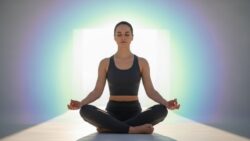
Many people believe flexibility is something you either have or you do not. Tight hips, stiff backs, and limited movement often feel permanent, especially for those who sit for long hours or avoid regular exercise. Yoga gently challenges this belief. With consistent practice, even a short period of thirty days can lead to noticeable improvements in flexibility, comfort, and overall body awareness. Yoga does not force the body to change. Instead, it works with the muscles and joints, allowing progress to happen safely and naturally.
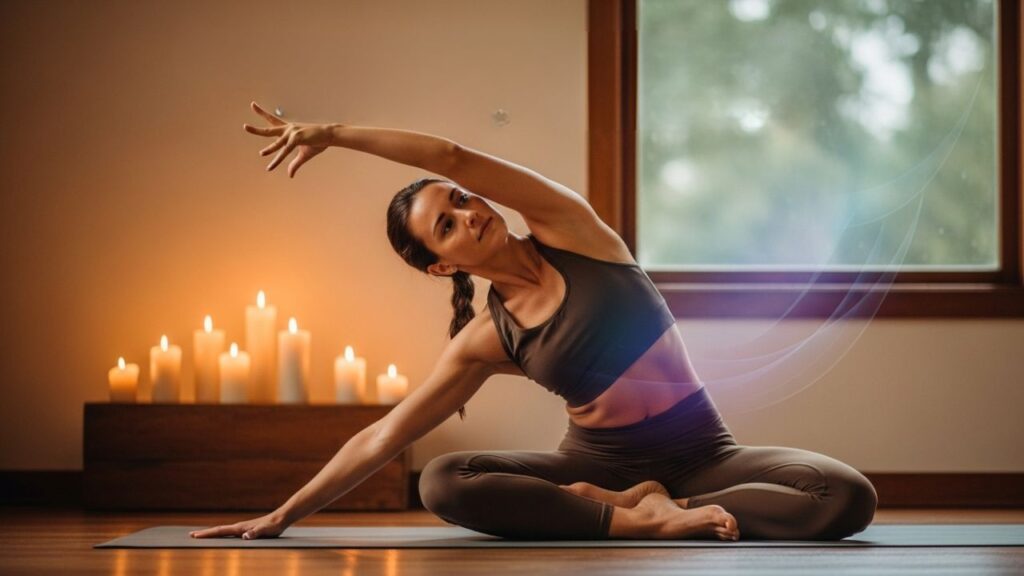
Why Yoga Helps Flexibility Improve Faster
Yoga emphasizes slow, mindful movements paired with deep, steady breathing. This combination helps muscles relax instead of tightening against a stretch. When the body feels calm and supported, it releases tension more easily. Unlike intense or high-impact workouts, yoga promotes patience and body awareness, which lowers injury risk and encourages long-term flexibility improvements.
Many yoga postures work on several muscle groups at the same time. For instance, a forward fold stretches the hamstrings, calves, and lower back together. Over time, this balanced method develops overall flexibility throughout the body instead of creating stiffness-free areas in isolation.
What You May Notice After 30 Days
During the first week of consistent yoga practice, many people experience less stiffness. Movements feel smoother, and everyday actions such as bending, stretching, or reaching become easier. By the second week, muscles begin to lengthen with less resistance, making poses that once felt difficult more achievable.
By the end of thirty days, changes in flexibility are often noticeable. Stretches feel deeper without strain, posture improves, and discomfort in common tight areas like the hips, shoulders, and lower back decreases. Mental flexibility also develops, as focus and patience increase during movement.
Yoga Poses That Boost Flexibility
Some yoga poses are especially effective for increasing flexibility efficiently. Downward Facing Dog lengthens the spine while stretching the shoulders and legs. Forward bends target the hamstrings and lower back. Hip-opening poses release tightness caused by prolonged sitting, while gentle backbends improve spinal mobility and help correct poor posture.
Holding poses for several calm breaths rather than rushing allows muscles to adapt safely. This gradual approach avoids overstretching and strengthens the connection between the body and mind.
How Breathing Enhances Flexibility
Breath control is a powerful element of yoga practice. Slow, deep breathing signals the nervous system to relax. When muscles are relaxed, they stretch more comfortably. This is one reason yoga often leads to quicker flexibility improvements than expected.
Inhalation creates length and space in the body, while exhalation encourages release. With regular practice, this breathing rhythm trains the body to let go of excess tension, supporting steady progress over thirty days.
Why Consistency Is More Important Than Intensity
Practicing yoga for ten to twenty minutes each day is usually more effective than longer sessions done only once a week. Consistency allows muscles and joints to adapt gradually without stress. Short daily sessions keep the body mobile and prevent stiffness from returning.
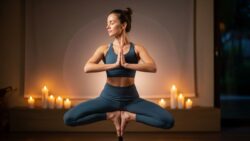
Yoga also builds awareness of physical limits. Instead of forcing progress, practitioners learn to listen to their bodies. This mindful approach reduces setbacks and supports long-lasting flexibility gains.
Common Flexibility Mistakes to Avoid
A common beginner mistake is pushing too hard into stretches. Pain does not equal progress in yoga. Mild discomfort is normal, but sharp or intense pain should be avoided. Using props like blocks or straps helps maintain alignment while still receiving the benefits of each pose.
Ignoring rest and recovery can also slow progress. Flexibility improves during recovery as muscles adapt. Including restorative poses or gentle sessions supports healing and continued improvement.
Supporting Flexibility Beyond Yoga Practice
Hydration plays a key role in flexibility. Well-hydrated muscles are more elastic and respond better to stretching. Proper sleep also supports muscle recovery and joint mobility.
Maintaining good posture throughout the day reinforces yoga benefits. Simple habits such as sitting upright, standing tall, and taking short movement breaks help prevent tightness from returning.
Why Yoga Builds Long-Lasting Flexibility
Yoga improves flexibility in a mindful and balanced way. Instead of focusing on isolated muscles, it works the entire body while calming the nervous system. This holistic approach leads to flexibility that feels natural and sustainable.
Within thirty days, yoga can help reduce stiffness, improve posture, and make movement feel easier. Beyond physical flexibility, many people also notice reduced stress and a stronger mind–body connection. Consistency, patience, and mindful breathing are the true foundations of yoga’s lasting impact on flexibility.