Yoga helps people stay physically healthy & flexible. It also provides real benefits for emotional health. This ancient practice brings together physical poses with breathing exercises and meditation to support emotional healing & mental wellness. People who practice yoga can develop a stronger connection with themselves & find ways to let go of emotional stress while gaining mental clarity and feeling more calm. This article looks at how yoga works as a tool for emotional healing and discusses its benefits along with practical ways to add it into everyday life.
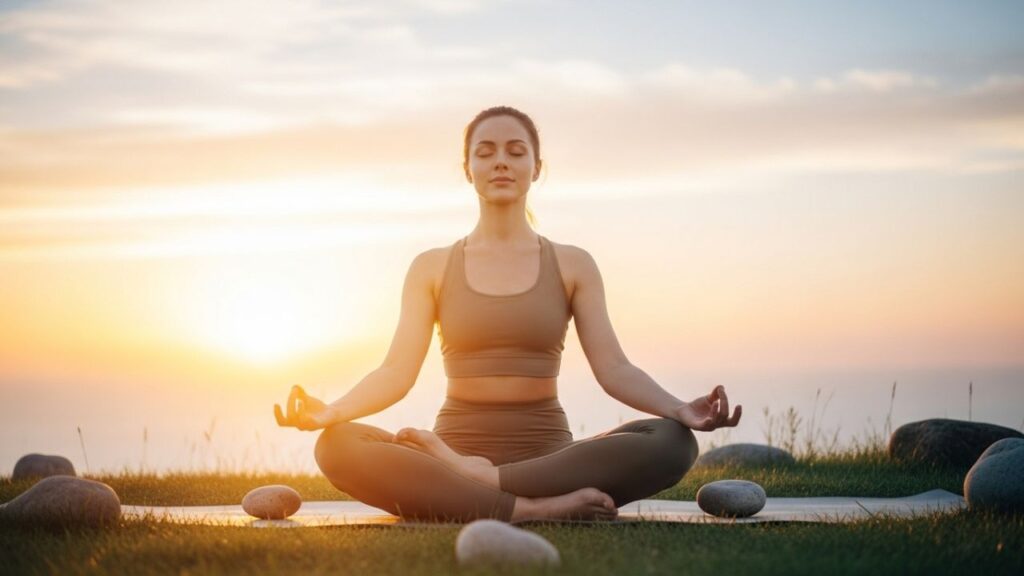
The Emotional Healing Power of Yoga Explained
Yoga creates a strong link between your body and mind. This connection helps you handle emotional challenges more effectively. When you practice yoga regularly your stress levels drop naturally and your emotional health improves. Yoga teaches you to stay focused on what is happening right now instead of thinking about the past or worrying about the future. This ability helps you escape from constant anxiety & negative thinking patterns that hold you back from growing as a person. The poses & breathing exercises give you real tools to control your emotions instead of letting them control you.
Understanding Yoga’s Impact on the Nervous System
Yoga has a strong effect on how your nervous system works. When you practice yoga regularly it turns on the parasympathetic nervous system which manages your rest and digestion. This helps your body recover from stress in a natural way. Your cortisol levels go down when this system becomes active. Cortisol is the main stress hormone that your body makes when you feel tense. The result is that you feel more relaxed in your whole body. These benefits are especially helpful for people who deal with tough emotional problems like anxiety or depression or stress from trauma.

Essential Yoga Practices That Restore Emotional Balance
Breathwork (Pranayama)
Breathing exercises form a key part of yoga that helps control the nervous system. Methods such as Nadi Shodhana (alternate nostril breathing) and Ujjayi breath (victorious breath) can settle the mind and reduce stress while creating emotional stability. When people control their breathing consciously they can move from a stressed fight-or-flight state to a relaxed condition with better mental concentration.
Mindful Meditation
Meditation approaches like Vipassana and Yoga Nidra allow people to achieve deep relaxation and develop stronger self-awareness. These techniques offer individuals a method to release emotional tension that has built up over time. They also enable access to the subconscious mind and create better mental clarity. Consistent meditation works especially well for addressing emotional obstacles and healing from challenging past experiences.

Yoga Poses That Help Release Emotions Specific yoga positions known as asanas can help your body let go of built-up emotional stress. Positions like Child’s Pose (Balasana) and Forward Fold (Uttanasana) as well as Camel Pose (Ustrasana) target areas where tension typically accumulates such as your hips & shoulders. These poses stretch and open those tight spots. Holding them allows your body to gradually release emotions you’ve been carrying and promotes emotional recovery.
How Regular Yoga Practice Strengthens Mental Well-Being
Yoga helps your emotional health by teaching you to understand and accept yourself better. When you practice you learn to watch your thoughts without being critical. This creates a kind inner space where you can honestly reflect on yourself. As this awareness grows you start to understand your emotions more clearly and develop better ways to handle stress. Yoga also affects your brain by balancing chemicals like serotonin and dopamine that control your mood. People who practice regularly often notice less anxiety and fewer signs of depression. They feel happier overall and handle emotional challenges with more strength.
Beginner-Friendly Tips for Emotional Healing Through Yoga
Starting Your Yoga Journey for Emotional Healing Begin with Gentle Yoga Styles Start your practice with easy yoga classes that focus on relaxation. Restorative Yoga and Yin Yoga work well for beginners. These styles let you hold poses for longer periods while you breathe deeply & allow your body to heal naturally. Learn Simple Breathing Exercises Breathing techniques help with emotional wellness. The 4-7-8 method is straightforward and effective. Inhale for four counts and hold your breath for seven counts before exhaling for eight counts. This simple exercise can help calm your mind and reduce stress. Make Yoga Part of Your Routine Emotional healing requires patience and consistency. Adding yoga to your daily routine brings lasting benefits. Even a short session of 10 to 15 minutes each day can improve your emotional wellbeing over time. Create a Calm Practice Area Find a quiet spot in your home where you can practice without distractions. Consider playing soft music or lighting candles to enhance the atmosphere. Essential oils can also help create a more relaxing environment for your practice. Listen to What Your Body Tells You Yoga is about building awareness of your body & respecting its limits. Never push yourself into poses that feel painful or uncomfortable. The goal is to release tension from your body instead of adding more stress to it.
Building Emotional Resilience Through Mindful Yoga
Starting Your Yoga Journey for Emotional Healing Begin with Gentle Yoga Styles Start your practice with easy yoga classes that focus on relaxation. Restorative Yoga & Yin Yoga are excellent choices for beginners. These styles let you hold poses for extended periods while you breathe deeply and allow your body to heal naturally. Learn Simple Breathing Exercises Breathing techniques are essential for emotional wellness. The 4-7-8 method is straightforward and effective. Inhale for four counts & hold your breath for seven counts before exhaling for eight counts. This simple exercise can help calm your mind and reduce stress. Make Yoga Part of Your Routine Emotional healing requires patience and consistency. Adding yoga to your daily routine brings lasting benefits. Even a short session of 10 to 15 minutes each day can improve your emotional wellbeing over time. Create a Calm Practice Area Find a quiet spot in your home where you can practice without distractions. Consider playing soft music or lighting candles to enhance the atmosphere. Essential oils can also help create a more relaxing environment for your practice.