Starting yoga for the first time can feel exciting and a little intimidating. With so many poses and styles available beginners often wonder where to begin. The good news is that yoga does not require flexibility or strength or experience on day one. What matters most is learning a few foundational poses that build confidence & improve body awareness and prepare you for deeper practice over time. These ten essential yoga poses are perfect for beginners & form the backbone of most yoga styles practiced today.
Mountain Pose
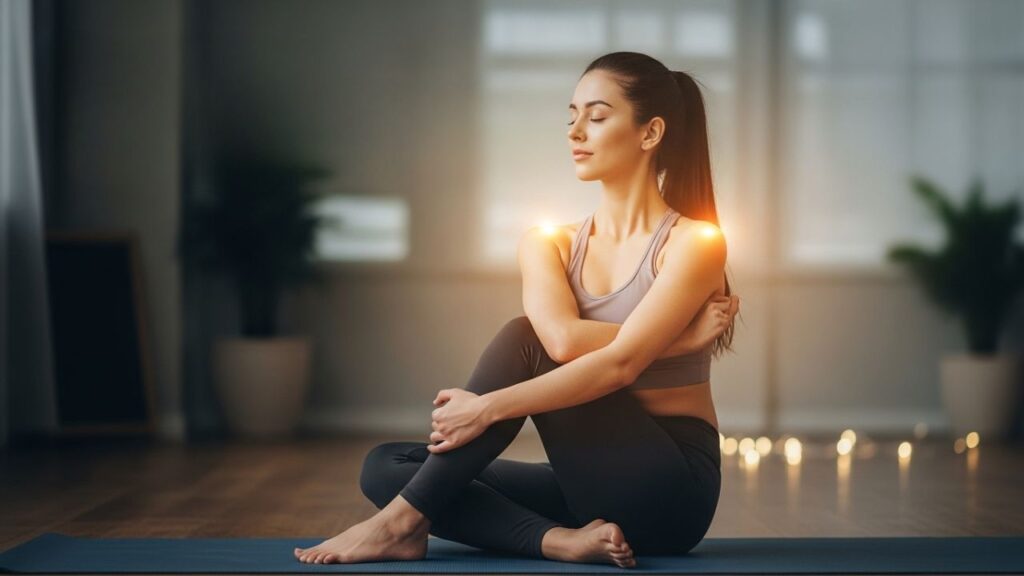
Mountain Pose may look simple but it teaches one of the most important yoga lessons about proper posture. Standing tall with feet grounded and shoulders relaxed while keeping your spine straight helps you understand alignment. This pose improves balance and posture while encouraging mindful breathing. Beginners often overlook it but mastering Mountain Pose sets the foundation for all standing postures.
Downward Facing Dog
Downward Facing Dog Downward Facing Dog stands as one of the most well-known yoga poses in practice today. This position works multiple muscle groups at the same time by stretching the hamstrings & calves along with the shoulders & spine. People new to yoga should feel comfortable keeping their knees slightly bent during this pose. The main goal should be extending the spine rather than trying to push the heels down to touch the floor. Regular practice of this pose develops strength in both the arms and legs. It also helps improve blood circulation throughout the body and increases overall flexibility. The benefits make it a fundamental position that appears in most yoga routines and classes around the world.
Child’s Pose
Child’s Pose is a resting position that helps your body relax and recover. You kneel on the mat and fold forward to gently stretch your back hips and thighs. People often use it between difficult poses and it works well for beginners who need to catch their breath. This pose also helps you feel calm and reduces stress.
Cat Cow Pose
Cat Cow Pose is a gentle exercise that moves between two positions to warm up your spine. You breathe in & out while switching between arching your back & rounding it. This pose makes your spine more flexible and reduces stiffness. It also helps beginners learn how to match their movements with their breathing. People who sit at a desk all day find this pose particularly useful.
Warrior One
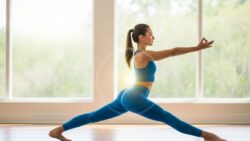
Warrior One builds strength and stability as it opens your hips and chest. You place one foot forward while keeping the other foot planted behind you. This position helps develop focus and balance. Your arms extend upward as you bend your front knee. New practitioners should concentrate on maintaining steady breathing and correct body alignment instead of trying to go too deep into the pose.
Warrior Two
Warrior Two takes the strength you gained from Warrior One and expands it with a broader stance and more active leg muscles. Your arms stretch out to each side to create a feeling of power and control. This position makes your legs stronger and builds your endurance while increasing your confidence. It also helps beginners learn to stay focused & connected to the ground.
Tree Pose
Tree Pose helps you develop better balance and sharper focus. You stand on one leg and place your other foot against your calf or inner thigh. This position tests your stability. If you are just starting out you can stand near a wall for extra support. The pose makes your ankles and legs stronger & also improves your ability to concentrate.
Cobra Pose
Cobra Pose Cobra Pose is a gentle backbend that strengthens the spine and opens the chest. When you lie on your stomach and lift your chest using your back muscles you help reverse the effects of poor posture from sitting too long. Beginners should not push too hard with their arms and should instead focus on lengthening the front of the body. This pose works well for people who spend many hours at a desk or computer.
Bridge Pose
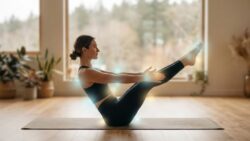
Bridge Pose builds strength in your lower back, glutes and legs while stretching your chest and shoulders. You lie on your back & lift your hips up which helps beginners learn to activate their core muscles in a safe way. This position can make your spine more flexible and many people use it to ease minor back pain when they perform it with proper form.
Seated Forward Bend
Seated Forward Bend helps make your hamstrings and lower back more flexible while helping you relax. You sit with your legs stretched out in front of you & slowly fold your body forward. This movement helps quiet your thoughts & reduce mental tension. If you are just starting out you should bend your knees when you need to and never push yourself too hard into the stretch. The main purpose of this pose is to feel comfortable & relaxed rather than to force your body into an uncomfortable position. Listen to what your body tells you and move gently without rushing. Over time your flexibility will improve naturally and you will be able to fold deeper into the pose. Remember that yoga is about finding balance between effort and ease.
Tips for Beginners Practicing Yoga
When you start practicing yoga, being consistent is more important than pushing yourself too hard. If you do these poses several times each week you will see real improvements in how strong and flexible you become & your mind will feel clearer too. Pay attention to what your body tells you and take breaks whenever you need them. Using tools like blocks or straps is actually a smart choice because they help you maintain the right form. How you breathe matters just as much as how you move. Taking slow & even breaths helps your body stay relaxed and keeps you from getting tense. When you are just beginning you should care more about feeling comfortable than doing everything perfectly. Let yourself improve at your own pace without forcing anything.
Why These Poses Matter
These ten poses show up in yoga classes everywhere. Learning them well creates a solid base that helps you move into harder poses more easily and safely. They make your posture better & build your balance along with strength and flexibility while helping your overall health. Yoga is not a contest where you measure yourself against others. It is your own personal path that begins with basic movements. When beginners practice these key poses on a regular basis they build confidence and lower their stress levels while gaining the physical and mental rewards that yoga brings as time goes on.