A strong core is about far more than visible abs. It plays a key role in supporting posture, protecting the spine, improving balance, and making everyday movements easier and safer. Yoga is one of the most effective ways to develop core strength because it activates deep stabilizing muscles along with surface muscles, while also enhancing breath control and body awareness.
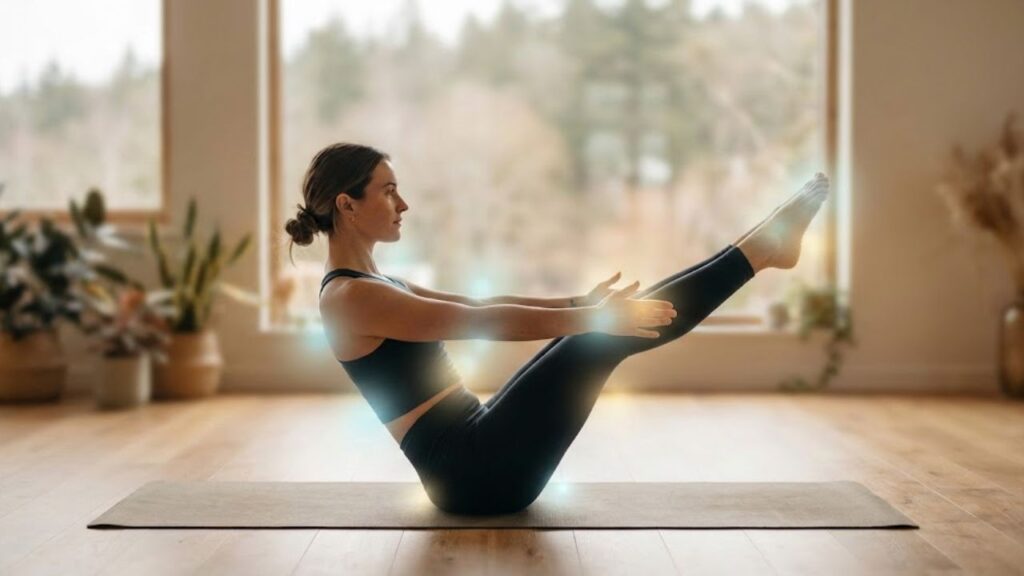
Below are eleven yoga poses that focus on building core strength in a balanced and sustainable way. With regular practice, these poses help improve stability, reduce back discomfort, and support overall functional strength.
1. Phalakasana (Plank Pose)
Plank Pose is a fundamental posture for developing core strength. It activates the abdominal muscles while also engaging the shoulders, arms, legs, and back.

Holding Plank strengthens the deep core muscles that stabilize the spine. Keep the body aligned in one straight line, gently draw the navel inward, and maintain steady breathing for maximum benefit.
2. Naukasana (Boat Pose)
Boat Pose directly targets the abdominal muscles and hip flexors. It challenges balance while building control and endurance.
This posture strengthens both the upper and lower abdominal muscles and supports digestive function by stimulating the abdominal area. Beginners can bend the knees and slowly progress as strength improves.
3. Chaturanga Dandasana (Four-Limbed Staff Pose)
Chaturanga is a powerful strengthening pose that relies heavily on core engagement to keep the body stable while lowering.
It builds abdominal strength while toning the arms, shoulders, and chest. Proper core activation helps protect the lower back from strain during the movement.
4. Vasisthasana (Side Plank Pose)
Side Plank focuses on strengthening the oblique muscles, which are essential for twisting movements, balance, and spinal support.
This pose improves lateral stability, shoulder strength, and overall alignment. For added support, beginners can place the bottom knee on the mat.
5. Utkatasana (Chair Pose)
Chair Pose may appear simple, but it deeply engages the core when performed with proper awareness.
By drawing the abdomen inward and keeping the spine long, this pose strengthens the core muscles, tones the legs, and improves postural control.
6. Paripurna Navasana with Twist (Twisting Boat Pose)
Adding a twist to Boat Pose increases activation of the oblique muscles.
This variation enhances rotational strength, supports spinal mobility, and improves balance. It is highly effective for building a well-rounded and functional core.
7. Adho Mukha Svanasana (Downward Facing Dog)
Downward Facing Dog strengthens the core through continuous, active engagement rather than a static hold.

Pressing firmly into the hands and lifting the hips requires the abdominal muscles to support the spine. Holding this pose with steady breathing builds endurance and stability.
8. Dandasana (Staff Pose)
Staff Pose may look passive, but it is very active when practiced correctly.
Sitting upright with engaged legs and core muscles strengthens the deep abdominal muscles and improves posture. It also increases awareness of proper spinal alignment.
9. Setu Bandhasana (Bridge Pose)
Bridge Pose strengthens the core while activating the glutes and lower back muscles.
Engaging the abdominal muscles during the lift supports spinal stability and protects the lower back. This pose also enhances pelvic strength and overall spinal support.
10. Bakasana (Crow Pose)
Crow Pose is an arm balance that demands strong core engagement to lift and sustain the body.
The core muscles continuously work to maintain balance and control. Practicing this pose builds coordination, confidence, and deep abdominal strength.
11. Supta Padangusthasana (Reclining Hand-to-Big-Toe Pose)
This pose strengthens the core through controlled leg movement and stabilization.
Keeping the lower back grounded while lifting one leg requires deep abdominal engagement. It also improves flexibility, balance, and coordination.
Why Yoga Is Effective for Core Strength
Yoga develops core strength by training muscles in functional, real-life movement patterns. Instead of isolating individual muscles, yoga teaches the core to stabilize the body during both movement and stillness.
Controlled breathing enhances muscle activation and helps maintain engagement without unnecessary tension. Over time, this approach builds strength that supports daily activities and long-term spinal health.
How Often to Practice for Best Results
Practicing core-focused yoga three to five times per week delivers the best results. Even short sessions of 20 to 30 minutes can create noticeable improvements when practiced consistently.
Prioritize proper engagement and alignment over long hold times. Quality of movement matters more than duration when building sustainable core strength.