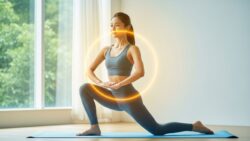
Yoga offers great benefits for your flexibility, strength and overall health. If you are just starting out or want to become more flexible beginning with basic poses will help you build a solid foundation. These poses gently stretch your muscles while reducing stress and increasing your range of motion. This article covers simple yoga poses that beginners can use to improve their flexibility. Starting with easier poses allows your body to adapt gradually without causing strain or injury. Many people think they need to be flexible before starting yoga, but this is not true. Yoga actually helps you develop flexibility over time through consistent practice. The key is to listen to your body & move at your own pace. One of the most accessible poses for beginners is the Child’s Pose. This resting position stretches your hips, thighs and ankles while calming your mind.

Why is Flexibility Important in Yoga?
Flexibility plays a key role in yoga. When you improve flexibility, you enhance your ability to perform poses with better form, which helps prevent injuries and allows you to deepen your practice over time. Flexibility also aids in relaxation, as it helps release tension from your body. Regular yoga practice is an excellent way to maintain joint health, increase circulation, and calm your mind.
Downward-Facing Dog (Adho Mukha Svanasana)
This classic yoga pose is a great way to stretch your hamstrings, calves, and back. Start on your hands and knees, lift your hips towards the ceiling, and straighten your legs as much as you can. Keep your hands shoulder-width apart and your feet hip-width apart. Hold for a few breaths and feel the stretch through your whole body.
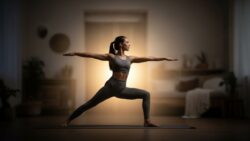
Child’s Pose (Balasana)
Child’s Pose is a gentle, restorative pose that stretches your hips, thighs, and back. Kneel on the mat, sit back on your heels, and lower your forehead to the ground. Extend your arms forward or place them by your sides for added comfort. Stay here for as long as you need to release tension and relax.
Forward Fold (Uttanasana)
Stand with your feet hip-width apart, and slowly fold forward, reaching for your toes or the floor. Let your head hang heavy and relax your neck. This pose stretches your hamstrings, calves, and back while helping to calm your mind. You can bend your knees slightly if you’re feeling tight.
Cat-Cow Stretch (Marjaryasana-Bitilasana)
This dynamic pose sequence involves arching and rounding your back, which helps stretch and strengthen your spine. Start on your hands and knees, with your wrists aligned under your shoulders and knees under your hips. On an inhale, arch your back (Cow Pose), lifting your chest and tailbone. On an exhale, round your back (Cat Pose), tucking your chin to your chest. Repeat this movement to improve spinal flexibility.
Seated Forward Fold (Paschimottanasana)
This seated stretch is perfect for increasing flexibility in your hamstrings and lower back. Sit with your legs extended in front of you and your feet flexed. Slowly bend forward from your hips, reaching for your feet or ankles. Keep your spine long and try not to collapse your chest. Breathe deeply and hold the stretch.

Butterfly Pose (Baddha Konasana)
Sit on the floor and bring the soles of your feet together, letting your knees fall outward. Hold your feet with your hands, keeping your spine straight. Gently press your knees down toward the floor to stretch your inner thighs and groin area. This pose helps open up the hips and improves flexibility in the legs.
Tips for a Safe Yoga Practice
Start slow
If you’re new to yoga or flexibility training, avoid pushing yourself too hard. Listen to your body and ease into each pose.
Breathe deeply
Use your breath to guide you deeper into each stretch. Inhale to lengthen your body, and exhale to relax into the stretch.
Use props
If you’re unable to reach your feet or the floor in certain poses, consider using props like yoga blocks or straps to assist you.
Practice regularly
Consistency is key to improving flexibility. Try to practice yoga several times a week to see the best results.