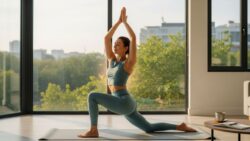
Power yoga offers an effective way to energize your body and mind when you’re short on time. This practice combines strength training with flexibility work & light cardio to create a complete workout that builds stamina and improves your overall health. If you need a quick but powerful routine that makes you feel energized and refreshed this 15-minute power yoga sequence works perfectly. This guide takes you through poses designed to build strength while improving flexibility and endurance. The routine works for beginners & experienced practitioners alike and fits easily into any daily schedule.
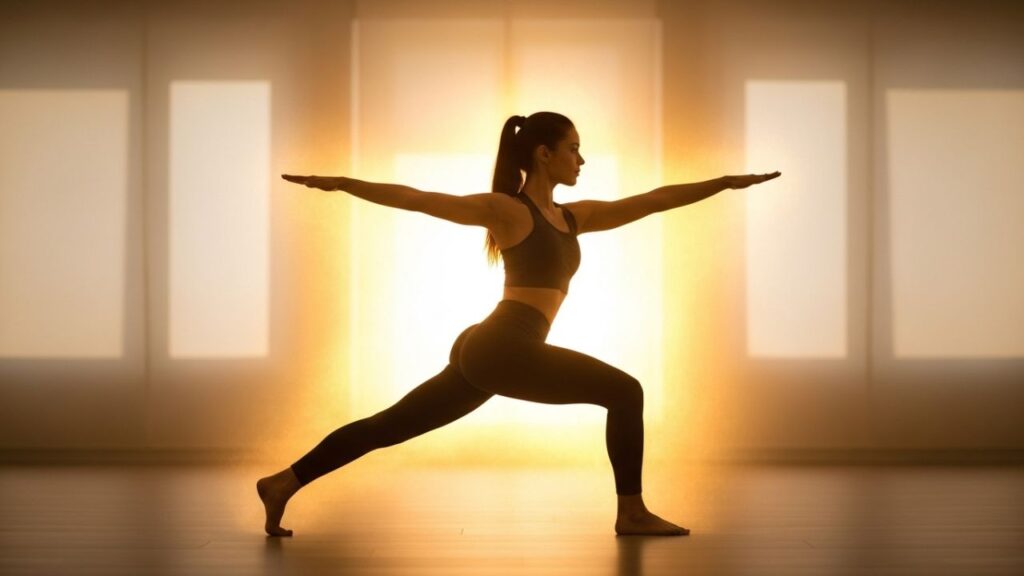
Why Power Yoga Is Effective
Power yoga moves at a faster pace than traditional yoga and focuses heavily on constant motion and working your muscles. It engages your whole body and helps you build strength while also benefiting your heart and circulation. With regular practice you will notice improvements in your stamina and how flexible you become. This makes it an excellent choice for people with packed schedules who need an efficient workout that still leaves them feeling energized. Practicing power yoga consistently also leads to better posture and coordination while boosting your overall physical abilities.
The 15-Minute Power Yoga Routine
Mountain Pose (Tadasana)
Begin by standing tall with your feet together, grounding evenly through the soles of your feet. Take a deep inhale, lift your arms overhead, and lengthen your spine upward. This pose helps center your body, improve posture, and prepare you mentally for the flow ahead. Hold for about 30 seconds.
Sun Salutation (Surya Namaskar)
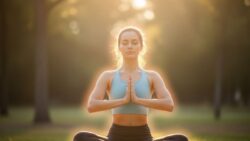
Sun Salutation is a smooth series of movements that warms your body and gets your blood flowing. You begin in Mountain Pose and then move through forward bends and plank position before transitioning into upward-facing poses and downward-facing dog. Do this sequence about five times to generate warmth in your muscles while building flexibility and endurance.
Warrior I (Virabhadrasana I)
From Downward-Facing Dog, step your right foot forward and raise your arms overhead, keeping your hips facing forward. The back leg stays strong and straight. This pose builds leg strength, balance, and endurance. Hold for 30 seconds, then switch sides.
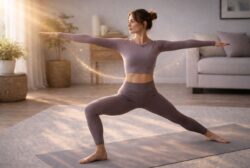
Warrior II (Virabhadrasana II)
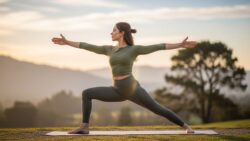
Transition from Warrior I by opening your hips and shoulders to the side. Extend your arms parallel to the floor, palms facing down. Warrior II deeply engages the legs and core, helping improve stamina and mental focus. Hold for 30 seconds on each side.
Plank Pose
Lower into Plank Pose with your shoulders aligned over your wrists and your body forming a straight line from head to heels. Engage your core and keep your breath steady. This pose strengthens the arms, shoulders, and core while enhancing overall stability. Hold for 30 seconds.
Downward-Facing Dog (Adho Mukha Svanasana)
Lift your hips upward & move them back to form the Downward-Facing Dog position. Press your hands firmly against the mat & spread your fingers apart as wide as possible. Push your heels down toward the floor in a gentle motion. This position provides a stretch for your hamstrings and calf muscles while also building strength in your upper body. Maintain this position for 30 seconds.
Chaturanga Dandasana
Slowly lower from Plank into Chaturanga, keeping your elbows close to your sides. This controlled movement builds arm and core strength and maintains flow in the sequence. Repeat about five times, holding briefly each time.
Upward-Facing Dog (Urdhva Mukha Svanasana)
From Chaturanga position roll forward to move into Upward-Facing Dog. Lift your chest upward & straighten both arms completely. Keep your thighs raised above the mat during this movement. This pose helps open your chest area and builds strength in your back muscles. It also works to reverse the effects of postures where you lean forward. Stay in this position for 10 to 15 seconds before moving to the next pose.
Child’s Pose (Balasana)
After the intense flow, ease back into Child’s Pose. Bring your knees wide, lower your torso between your thighs, and rest your forehead on the mat. This resting pose gently stretches the back and allows the body to recover. Hold for 30 seconds.
Final Relaxation (Savasana)
Finish the session by lying flat on your back with your arms relaxed at your sides, palms facing upward. Close your eyes and focus on slow, natural breathing. Savasana helps calm the nervous system and allows your body to absorb the benefits of the practice. Rest here for 1–2 minutes.
Benefits of Power Yoga
Power yoga offers benefits for your body and mind. It increases your energy levels by enhancing blood flow and making your body more flexible. The practice builds your stamina through regular strength exercises & sharpens your mental clarity by teaching you to focus on your breathing. When you practice consistently you will notice stronger & more defined muscles while feeling less stressed. This makes power yoga an effective method to begin your morning or refresh yourself during the day.